
Why Your Knife Might Still Be Dull After Sharpening
Introduction
A sharp knife is a cornerstone of efficiency and safety in any kitchen or outdoor setting. Whether you're a home cook meticulously preparing meals, a professional chef crafting culinary art, or an outdoor enthusiast relying on your tools in the wilderness, a sharp knife is indispensable. However, there may be times when, despite your best efforts, your knife still seems dull after sharpening. This article will explore the common reasons behind this issue and offer practical solutions to ensure your blades remain razor-sharp.
Understanding the Importance of a Sharp Knife
A sharp knife not only enhances precision and reduces effort but also significantly lowers the risk of accidents. Dull knives can slip off surfaces, leading to injuries. Moreover, a sharp knife preserves the integrity of the ingredients, allowing for cleaner cuts and better presentation. Understanding why a knife might remain dull even after sharpening is crucial for maintaining its effectiveness and longevity.
Common Reasons Your Knife is Still Dull
Incorrect Sharpening Angle
One of the most common reasons a knife remains dull after sharpening is the incorrect sharpening angle. Each knife has an optimal blade angle, typically between 15 to 20 degrees for kitchen knives. Sharpening at the wrong angle can result in an ineffective edge that quickly dulls. Ensuring you maintain the proper angle throughout the sharpening process is key to achieving a sharp edge.
Inadequate Sharpening Tools
The tools you use for sharpening play a significant role in the outcome. Using a dull or inferior sharpening stone, or relying on gadgets that promise quick results, can lead to subpar edges. Investing in quality sharpening tools, such as whetstones or diamond stones, can make a significant difference in the sharpness of your knife.
Poor Quality Steel
Not all knives are created equal, and the quality of the steel can impact how well a knife holds an edge. Knives made from poor quality steel may not retain their sharpness for long, regardless of how well they are sharpened. Investing in knives made from high-quality steel ensures better edge retention and overall performance.
Lack of Honing
Many people confuse honing with sharpening, but they serve different purposes. Honing realigns the edge of the blade, keeping it sharp between sharpening sessions. Without regular honing, even a well-sharpened knife can seem dull as its edge becomes misaligned with use.
How to Properly Sharpen Your Knife
Choosing the Right Tools
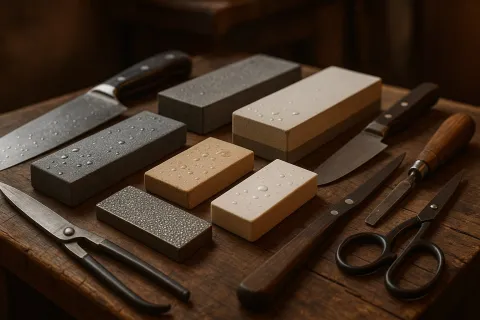
Selecting the appropriate sharpening tools is the first step towards a sharp knife. Whetstones, available in various grits, are highly recommended for their versatility and effectiveness. Diamond stones offer a quicker sharpening experience and are ideal for harder steels. Understanding your knife's requirements will help you choose the right tools.
Understanding Blade Angles
Knowing the correct blade angle is crucial. Most Western-style kitchen knives have a blade angle of about 20 degrees, while Japanese knives may be as low as 15 degrees. Maintaining this angle consistently during sharpening ensures an optimal edge.
Step-by-Step Sharpening Guide
- Preparation: Soak your whetstone if necessary, and secure it on a stable surface.
- Setting the Angle: Hold the knife at the appropriate angle, using your thumb as a guide if needed.
- Sharpening: Using even pressure, slide the blade across the stone in a sweeping motion, ensuring the entire edge makes contact.
- Alternating Sides: Repeat the process on the other side of the blade, maintaining the angle.
- Finishing Touches: Use a finer grit stone to polish the edge and remove any burrs.
Maintaining a Sharp Knife
Regular Honing
Incorporate regular honing into your knife maintenance routine. A honing rod can help keep the edge aligned, extending the time between sharpening sessions.
Proper Storage
Store your knives properly to prevent dulling. Use a knife block, magnetic strip, or blade guards to protect the edges from damage.
Routine Maintenance Tips
- Clean your knives immediately after use to prevent corrosion.
- Avoid cutting on hard surfaces like glass or stone, which can dull the blade.
- Regularly inspect your knives for any signs of damage or wear.
Conclusion
Recap of Key Points
Ensuring your knife remains sharp involves understanding the correct sharpening techniques, using the right tools, and maintaining the blade regularly. By addressing common issues such as incorrect angles, inadequate tools, and the quality of the steel, you can achieve and maintain a sharp edge.
Encouragement to Practice Proper Techniques
Sharpening a knife is both an art and a science. With practice and attention to detail, anyone can master the techniques required to keep their knives in top condition. Embrace the process and enjoy the benefits of a consistently sharp knife.
FAQ
What is the difference between honing and sharpening?
Honing realigns the edge of the blade, while sharpening removes material to create a new edge.
How often should I sharpen my knife?
It depends on usage, but generally, a knife should be sharpened every few months with regular honing in between.
Can a knife be too dull to sharpen?
In most cases, a knife can be sharpened regardless of its dullness, but it may require more effort and the right tools.